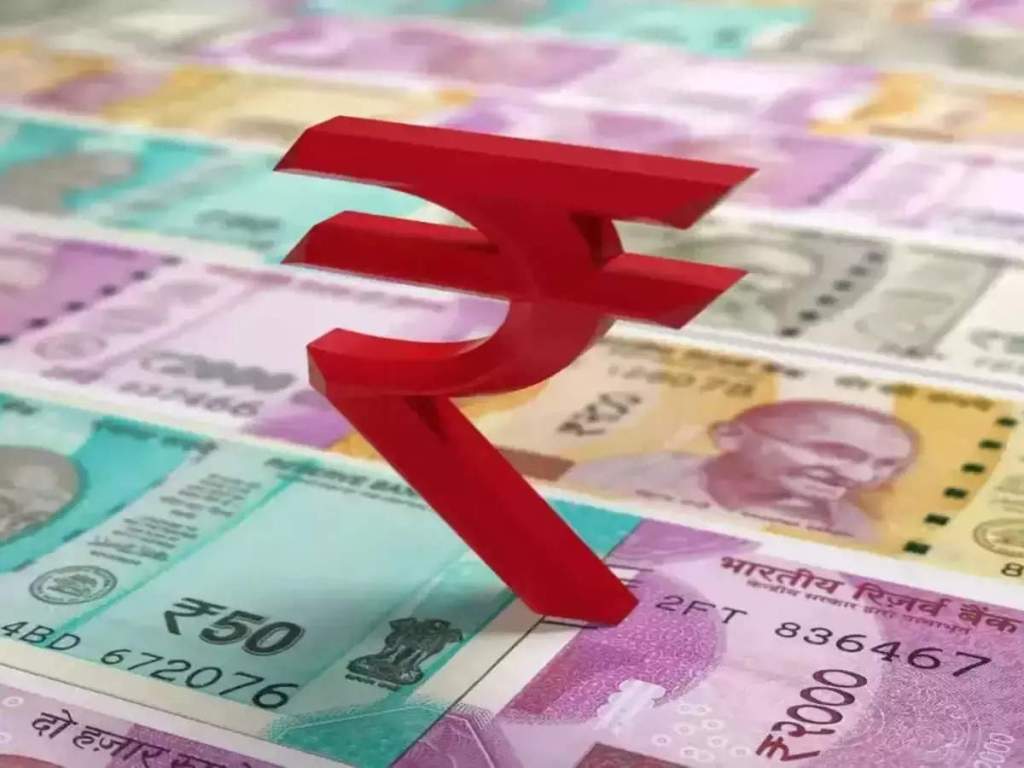
For the Indian government to position the rupee as a global reserve currency over the next three years, a robust, comprehensive strategy is necessary. This plan would need to focus on strengthening India’s economy, expanding international trade in rupees, deepening financial markets, and enhancing global confidence in the currency. Below are the key strategies that the government could adopt:
1. Macroeconomic Stability and Growth
a. Sustained GDP Growth
India must maintain high and consistent economic growth (around 6-7% annually). Strong growth rates would increase global confidence in India’s economy and make the rupee a more attractive currency to hold.
b. Control Inflation
Keeping inflation low and stable is critical for the rupee to be seen as a reliable store of value. The government, in coordination with the Reserve Bank of India (RBI), should ensure that inflation is maintained within the targeted range, promoting stability in the economy.
c. Fiscal Discipline
Maintaining fiscal discipline by controlling the fiscal deficit and public debt will be essential to signal to international investors that India is a stable economy. The government must focus on spending that drives long-term growth (such as infrastructure and education) while keeping non-essential expenditures in check.
2. Promote Rupee in Global Trade
a. Bilateral Agreements for INR Trade
India should enter into more bilateral trade agreements that allow for trade in Indian rupees. This could be especially effective with key partners like Russia, the UAE, African nations, and ASEAN countries. By promoting rupee settlements instead of the US dollar or euro, India can increase the global demand for its currency.
b. Incentivize Foreign Companies to Use Rupee
Incentives can be provided to foreign companies that trade in rupees or hold rupee-denominated accounts. This can include tax breaks, access to Indian financial markets, or even subsidies to encourage rupee-based trade.
c. Expand Rupee Use in Global Commodities Markets
Efforts should be made to trade major global commodities, such as oil, gold, and agricultural products, in rupees. Working with key commodity-exporting countries could further boost the rupee’s global appeal and relevance in trade.
3. Strengthen Financial Infrastructure and Markets
a. Deepen the Indian Bond Market
India needs to further develop its bond markets, especially for rupee-denominated bonds. The issuance of government and corporate bonds in rupees should be promoted globally, such as through “masala bonds.” India should focus on making its debt markets more attractive by ensuring liquidity, transparency, and ease of investment.
b. Attract Foreign Investment
Foreign investment, both through FDI (Foreign Direct Investment) and FII (Foreign Institutional Investment), needs to be boosted. Clearer regulations, improved ease of doing business, and simplified tax laws will make India more attractive to international investors. In return, greater demand for Indian assets will increase the demand for the rupee.
c. Currency Swaps and Bilateral Arrangements
Expand currency swap agreements with other countries’ central banks, like those already existing with Japan and Russia. These agreements allow countries to trade in local currencies, bypassing the US dollar, and can increase the use of the rupee internationally.
4. Expand International Financial Diplomacy
a. Create Global Trust in the Rupee
India must strengthen its global diplomacy and multilateral relationships to build trust in the rupee. Engaging with international financial institutions like the IMF and World Bank, and advocating for a more multipolar global financial system, can encourage countries to adopt the rupee as a reserve currency.
b. Promote Rupee Internationalization
The government should promote the rupee through international campaigns, explaining the benefits of holding rupee-denominated assets. This can include efforts at global economic forums such as G20 or BRICS to discuss the role of the rupee in global trade and reserves.
c. Lead Advocacy for a Multicurrency Reserve System
India can work with emerging market economies to advocate for a global financial system where multiple reserve currencies (including the rupee, yuan, and euro) are used. This would appeal to countries looking to diversify away from over-dependence on the US dollar.
5. Develop and Strengthen Digital Infrastructure
a. Central Bank Digital Currency (CBDC)
India’s digital rupee (CBDC) pilot should be expanded into a full-fledged program. By offering a well-functioning digital rupee for cross-border trade and payments, India could facilitate quicker, cheaper international transactions, enhancing the rupee’s role in global commerce.
b. Promote Indian Digital Payments Globally
India’s leadership in digital payments, especially the success of UPI (Unified Payments Interface), should be leveraged globally. The government can work on integrating UPI with foreign financial systems and encouraging other countries to adopt Indian digital payment technologies, further increasing rupee usage.
6. Build and Protect Foreign Exchange Reserves
a. Increase Forex Reserves
A strong buffer of foreign exchange reserves will enhance confidence in the rupee’s stability. The government should continue to accumulate foreign exchange reserves to protect against currency volatility and global economic shocks.
b. Rupee-Denominated Trade Finance
India could promote the use of the rupee for trade finance, reducing the need for foreign currencies in international trade transactions. Offering low-cost trade finance in INR could appeal to businesses and governments globally.
7. Minimize Exchange Rate Volatility
a. Stable Exchange Rate Policy
A stable exchange rate is vital for building confidence in the rupee as a global reserve currency. The RBI should intervene, when necessary, to reduce volatility in the currency markets and ensure that the rupee maintains a stable value against major global currencies.
b. Hedge Mechanisms
The government should promote the development of financial instruments that allow global businesses to hedge against rupee volatility. This will provide reassurance to international companies and investors that they can manage currency risk effectively.
8. Geopolitical and Economic Risk Management
a. Manage External Shocks
India must strengthen its resilience to global economic downturns and geopolitical risks, such as commodity price fluctuations or trade wars. Developing diversified trade partnerships and ensuring stable relations with major economic powers will minimize vulnerabilities.
b. Improve India’s Global Standing
India must continue to enhance its global standing by participating in international trade agreements, global governance reforms, and regional partnerships. A greater role on the global stage will improve the rupee’s credibility as a stable and reliable reserve currency.
Conclusion
Making the rupee a global reserve currency within the next three years would require a bold, coordinated, and sustained effort by the Indian government. The plan should focus on maintaining macroeconomic stability, promoting the rupee in international trade, deepening financial markets, fostering international confidence, and expanding digital infrastructure. While achieving full reserve currency status in such a short time is challenging, these efforts will lay the foundation for the rupee’s global rise and long-term adoption in the global financial system.
 The Simple Business Man
Leave a comment