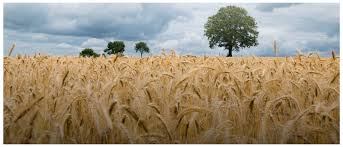
Let us look into three major Challenges of Indian Agriculture.
Diversity of Region
In India there are diverse crop-cultivating regions due to its varied climate, soil, and topography. These are some of the major crop-growing regions and their primary crops:
1. Indo-Gangetic Plains (Northern India)
– States: Punjab, Haryana, Uttar Pradesh, Bihar
– Crops: Wheat, rice, sugarcane, pulses, and mustard
– Description: Known for wheat and rice due to the fertile alluvial soil and access to water from rivers like the Ganges and Yamuna.
2. Western India
– States: Maharashtra, Gujarat
– Crops: Cotton, sugarcane, groundnut (peanut), pulses, and tobacco
– Description: Maharashtra is a leading cotton producer, and Gujarat is known for groundnuts and tobacco. Sugarcane is also prominent in Maharashtra.
3. Eastern and Northeastern India
– States: West Bengal, Assam, Odisha
– Crops: Rice, jute, tea, and oilseeds
– Description: West Bengal and Assam are known for rice and tea production, and jute cultivation is popular in the floodplains of West Bengal.
4. Central India
– States: Madhya Pradesh, Chhattisgarh
– Crops: Wheat, rice, soybean, pulses, and oilseeds
– Description: The region’s black soil supports soybean, a major crop in Madhya Pradesh, while rice is predominant in Chhattisgarh.
5. Southern India
– States: Tamil Nadu, Andhra Pradesh, Karnataka, Telangana
– Crops: Rice, millets, cotton, sugarcane, coffee, spices, and groundnut
– Description: Karnataka and Tamil Nadu produce coffee, while Andhra Pradesh and Telangana are known for cotton and rice.
6. Western Ghats Region
– States: Kerala, parts of Karnataka and Tamil Nadu
– Crops: Spices (pepper, cardamom), coffee, tea, and rubber
– Description: The humid climate is ideal for spices and plantations like coffee and tea, with Kerala as the primary state for rubber production.
7. Rajasthan and Gujarat (Arid and Semi-Arid Regions)
– Crops: Bajra (pearl millet), pulses, cotton, and oilseeds
– Description: Due to dry conditions, drought-resistant crops like bajra and pulses are common.
Profit making Crops
In India, certain crops generate higher profits for farmers due to market demand, export potential, and yield per acre.
Here are some of the most profitable crops for Indian farmers:
1. Spices (e.g., Turmeric, Cardamom, Black Pepper)
– Regions: Kerala, Tamil Nadu, Andhra Pradesh
– Profit Factors: High export demand and prices.
– Notable Point: Turmeric has a growing global demand, especially for medicinal and cosmetic uses.
2. Fruits (e.g., Mangoes, Pomegranates, Bananas, Grapes)
– Regions: Maharashtra, Tamil Nadu, Karnataka
– Profit Factors: Demand for fresh and processed fruits domestically and internationally.
– Notable Point: Indian mangoes, pomegranates, and grapes have high export value, and bananas offer good returns due to year-round demand.
3. Vegetables (e.g., Tomatoes, Onions, Potatoes, Capsicum)
– Regions: Maharashtra, Andhra Pradesh, Uttar Pradesh
– Profit Factors: High market demand, especially in urban areas and for processed foods.
– Notable Point: Onions and tomatoes can yield significant profits but are subject to market volatility.
4. High-Demand Pulses (e.g., Chickpeas, Lentils)
– Regions: Madhya Pradesh, Maharashtra, Rajasthan
– Profit Factors: High protein demand in the domestic diet and increased exports.
– Notable Point: Chickpeas have both domestic and export markets, fetching good prices.
5. Herbs and Medicinal Plants (e.g., Aloe Vera, Ashwagandha, Tulsi)
– Regions: Uttar Pradesh, Madhya Pradesh, Rajasthan
– Profit Factors: Rising demand in the pharmaceutical, cosmetic, and wellness industries.
– Notable Point: Medicinal plants are increasingly profitable due to the global rise in alternative medicine and wellness products.
6. Cocoa
– Regions: Karnataka, Kerala, Tamil Nadu
– Profit Factors: Growing chocolate and confectionery industry in India.
– Notable Point: Cocoa’s increasing demand makes it a high-profit crop for regions with suitable growing conditions.
7. Commercial Cash Crops (e.g., Cotton, Sugarcane, Tobacco)
– Regions: Maharashtra, Gujarat, Andhra Pradesh
– Profit Factors: Large-scale cultivation with industrial demand.
– Notable Point: Cotton is highly profitable with significant export demand; however, it has high input costs.
8. Oilseeds (e.g., Soybean, Groundnut, Sunflower)
– Regions: Madhya Pradesh, Gujarat, Maharashtra
– Profit Factors: High domestic and export demand, especially for edible oils.
– Notable Point: Soybean and groundnut oil production fetch high profits, with recent growth in sunflower oil demand.
9. Tea and Coffee
– Regions: Assam, Kerala, Karnataka
– Profit Factors: High domestic consumption and export demand.
– Notable Point: India is one of the largest tea producers globally, and both tea and coffee have established export markets.
10. Floriculture (e.g., Roses, Marigolds, Gerberas)
– Regions: Karnataka, Maharashtra, Tamil Nadu
– Profit Factors: High demand for flowers in domestic markets for festivals, events, and exports.
– Notable Point: Roses and marigolds have significant demand in both domestic and international markets.
These crops yield high profits, but they also involve risks related to market fluctuations, climate sensitivity, and investment in inputs like fertilizers and labor. Many farmers find success with crop diversification or adopting sustainable practices to further enhance profitability.
Other Challenges
Solving the problems faced by farmers in India requires a gradual, multi-faceted approach that considers economic, environmental, and social factors. Here’s a breakdown of potential solutions to each of the issues you’ve mentioned, focusing on long-term strategies that can build resilience and sustainability:
1. Reducing Dependency on Chemical Pesticides
– Encourage Integrated Pest Management (IPM): Training farmers to use IPM methods, which combine biological, mechanical, and minimal chemical control, can reduce the need for heavy pesticides.
– Promote Bio-Pesticides: Provide access to affordable bio-pesticides and encourage the local production of organic pest control solutions.
– Support Farmer Education and Training: Teaching farmers about crop rotation, natural predators, and crop diversity can naturally manage pests.
– Subsidize Alternatives: Gradually phase out harmful chemicals by incentivizing eco-friendly pesticides and offering financial support for those transitioning to organic methods.
2. Transitioning Away from Chemical Fertilizers
– Promote Organic Farming: Government programs can provide resources for organic fertilizers like compost and bio-fertilizers.
– Soil Health Testing: Establish and promote soil health testing programs that guide farmers on specific nutrient needs, reducing over-reliance on chemical fertilizers.
– Educate on Crop Rotation and Companion Planting: Certain crop combinations and rotations improve soil health naturally, reducing the need for chemical fertilizers.
– Implement Agroforestry Practices: Agroforestry (growing trees alongside crops) can improve soil structure, nutrient levels, and water retention.
3. Addressing Water Misuse
– Adopt Drip and Sprinkler Irrigation: Providing subsidies or low-interest loans for these technologies can help farmers conserve water significantly.
– Rainwater Harvesting: Promote rainwater harvesting systems on farms, which capture and store rain for irrigation.
– Crop Diversification Based on Water Availability: Educate farmers on growing crops that are suitable for local water availability, reducing the dependency on water-intensive crops.
– Develop Water User Associations: Encourage collective water management among farmers to monitor and regulate water use effectively.
4. Alleviating Labor Shortages
– Promote Mechanization: Subsidize small-scale machinery, like hand-held plows or small tillers, that are affordable and suitable for small farms.
– Support Local Employment Programs: Government and NGOs can create local employment programs or training centers to improve skill levels among rural youth.
– Introduce Collaborative Farming Models: Encourage cooperative models where farmers can share labor resources, making it more affordable to manage labor demands during peak seasons.
– Expand MGNREGA to Agriculture: Allow greater flexibility in India’s Mahatma Gandhi National Rural Employment Guarantee Act (MGNREGA) to help with farm labor during critical agricultural periods.
5. Ensuring Access to Genuine Seeds
– Strengthen Seed Certification and Distribution: Government agencies can improve seed certification processes and ensure farmers have easy access to high-quality seeds.
– Encourage Farmer-Producer Organizations (FPOs): FPOs can source and distribute genuine seeds collectively, giving farmers more buying power and access to reliable seed sources.
– Promote Local Seed Banks: Seed banks can help maintain indigenous and resilient seed varieties, offering an alternative to commercial seeds.
– Implement Better Regulations on Seed Companies: Strengthen regulations and penalties against companies that sell low-quality or mislabeled seeds, ensuring only reliable seeds reach farmers.
6. Additional Strategies for Sustainability
– Education and Awareness Programs: Long-term change requires continuous training and awareness programs to help farmers adapt to sustainable practices.
– Financial Support and Risk Management: Offer crop insurance, better access to credit, and risk management training, enabling farmers to take calculated risks with new techniques.
– Collaborative Research and Development: Universities and agricultural research institutions can work closely with farmers to develop low-cost solutions tailored to local needs.
– Encourage Direct-to-Market Sales: Building strong connections between farmers and consumers can lead to better pricing, reduce the influence of middlemen, and encourage sustainable practices.
Each of these strategies needs cooperation among government agencies, NGOs, and local communities. Gradual implementation and continuous support can make a huge difference in improving productivity, income, and sustainability for farmers in India.
 The Simple Business Man
Leave a comment